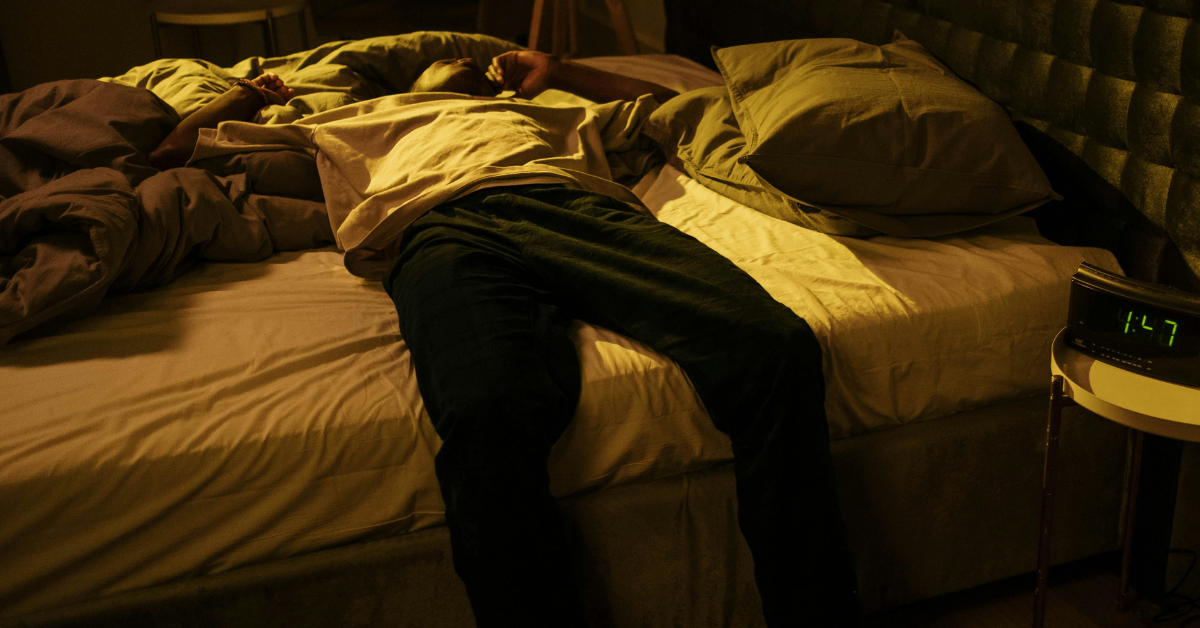

It can happen to anyone. Heroin addiction does not discriminate. It affects people of every age, income level, background, and walk of life. In fact, many people who struggle with heroin first became dependent on prescription opioids after a surgery or injury, and turned to heroin when those prescriptions ran out because it was cheaper and easier to obtain. While the signs of heroin addiction aren’t always apparent, it’s important to be able to understand how this substance use problem looks.
Understanding this context matters because it shapes how we approach heroin addiction treatment: with compassion, not judgment.
What Is Heroin?
Heroin is an illegal opiate derived from morphine, a naturally occurring substance found in the opium poppy plant. It typically appears as a white or brown powder, or as a sticky black substance known as “black tar heroin.” It can be injected, snorted, or smoked.
How Heroin Affects the Body and Brain
Regardless of how it’s used, it reaches the brain rapidly and produces an almost immediate, intense rush of euphoria, warmth, and relief from pain. That rush is exactly what makes heroin so dangerously addictive.
When heroin enters the brain, it binds to opioid receptors and triggers a flood of dopamine far more than the brain would ever release naturally. The feeling is a sense of warmth, safety, and complete relief from emotional or physical pain. For a person carrying trauma, anxiety, depression, or chronic pain, that sensation can feel like the first time they’ve ever truly felt okay.
But the brain adapts quickly. With repeated use, it stops producing its own natural feel-good chemicals and begins to depend on heroin to function normally. Tolerance builds, meaning a person needs more of the drug to feel the same effect. When they try to stop, or simply run out, withdrawal sets in.
Withdrawal from heroin can be agonizing: intense cravings, nausea, sweating, muscle pain, and overwhelming anxiety that can last for days. For many people, the fear of withdrawal alone is enough to keep them trapped in the cycle of heroin abuse.
This is why heroin addiction isn’t a choice or a character flaw; it is a chronic disease of the brain. The American Medical Association, the American Society of Addiction Medicine, and virtually every major health organization in the world recognize addiction as a medical condition.
10 Signs of Heroin Addiction
1. Sudden Changes in Behavior or Mood
One of the earliest heroin addiction signs is unexplained mood swings. A person may seem calm one moment and extremely irritable, anxious, or depressed the next. This “on and off” pattern often follows the cycle of use and withdrawal.
2. Withdrawal from Friends, Family, and Activities
Heroin abuse often causes people to pull away from the people and things they once cared about. They may stop showing up to family events, lose interest in hobbies, or become more and more secretive about where they’ve been and who they’re with.
3. Drowsiness and Nodding Off
A person under the influence of heroin may appear extremely drowsy at unusual times, like in the middle of a conversation, at the dinner table, or even while standing. This is one of the most recognizable signs that someone is using heroin.
4. Constricted (Pinpoint) Pupils
Even in low light, a person who has recently used heroin may have small, pinpoint pupils. This is a direct physical effect of opioids on the nervous system and is a telltale heroin abuse symptom.
5. Track Marks or Changes in Appearance
Repeated intravenous heroin use can cause visible puncture marks, bruising, or scarring on the arms, legs, hands, or feet. A person may start wearing long sleeves even in hot weather to hide these marks. Other physical changes can include dramatic weight loss, pale or sallow skin, and deteriorating hygiene.
6. Drug Paraphernalia
Finding syringes, burnt spoons, small plastic bags, tin foil, rubber tubing, or small glass pipes in someone’s belongings is a major red flag. These items are commonly associated with heroin use or preparation.
7. Financial Problems
Heroin use is an expensive habit to keep up. A person who is struggling with addiction might constantly ask to borrow money without really explaining why. They may steal from family members, sell off their belongings, or be dishonest about where their money is going.
8. Unexplained Absences or Secretive Behavior
Disappearing without explanation, being unreachable for hours, or lying about where they’ve been are all signs to watch for. The shame and secrecy that come with heroin addiction can cause people to pull away and become more and more dishonest, even with the people they care about most.
9. Flu-Like Symptoms When Not Using
When someone who’s dependent on heroin goes too long without using, they experience withdrawal symptoms. This can include nausea, vomiting, sweating, muscle aches, chills, and intense cravings. If someone seems to get “sick” like this pretty regularly and then feels better after going off the radar for a bit, withdrawal could be why.
10. Continued Use Despite Serious Consequences
One of the biggest signs of addiction is not being able to stop, even when you really want to, or even when things keep getting worse. If a person has lost relationships, their job, or a place to live because of their drug use and still can’t quit, that’s not a willpower problem. That’s just how powerful heroin addiction’s hold on the brain really is.
Heroin Addiction Treatment at Milton Recovery Centers
At Milton Recovery Centers, we understand that no two journeys look the same. We offer compassionate, evidence-based care in a supportive environment where healing is truly possible.
Partial Hospitalization Program (PHP)
Our partial hospitalization program is a structured, high-level outpatient option for people who need intensive support without 24-hour residential care. The program provides multiple hours of therapeutic programming each day, including individual therapy, group sessions, medication management, and life skills support while allowing clients to return home in the evenings.
PHP is well-suited for people who have recently completed a detox or residential program, or for those whose addiction is severe enough to warrant a higher level of care.
Intensive Outpatient Program (IOP)
Our intensive outpatient program offers a flexible, evidence-based treatment model that fits into everyday life. IOP meets several times per week and includes a range of therapeutic modalities designed to address the root causes of heroin abuse, build coping skills, and create a sustainable path to long-term recovery.
IOP is ideal for individuals who are stepping down from PHP, those with strong support systems at home, or those who need outpatient drug rehab that can work alongside work, school, or family responsibilities.
How to Get Help Today
If you recognized any of these signs of heroin addiction in yourself or a loved one, please know this: recovery is possible, and help is available right now.
You don’t have to have all the answers before you reach out. You just have to take one step.
Contact Milton Recovery Centers today to speak with a caring admissions specialist who can help you understand your options, answer your questions, and guide you or your loved one toward the right level of care.