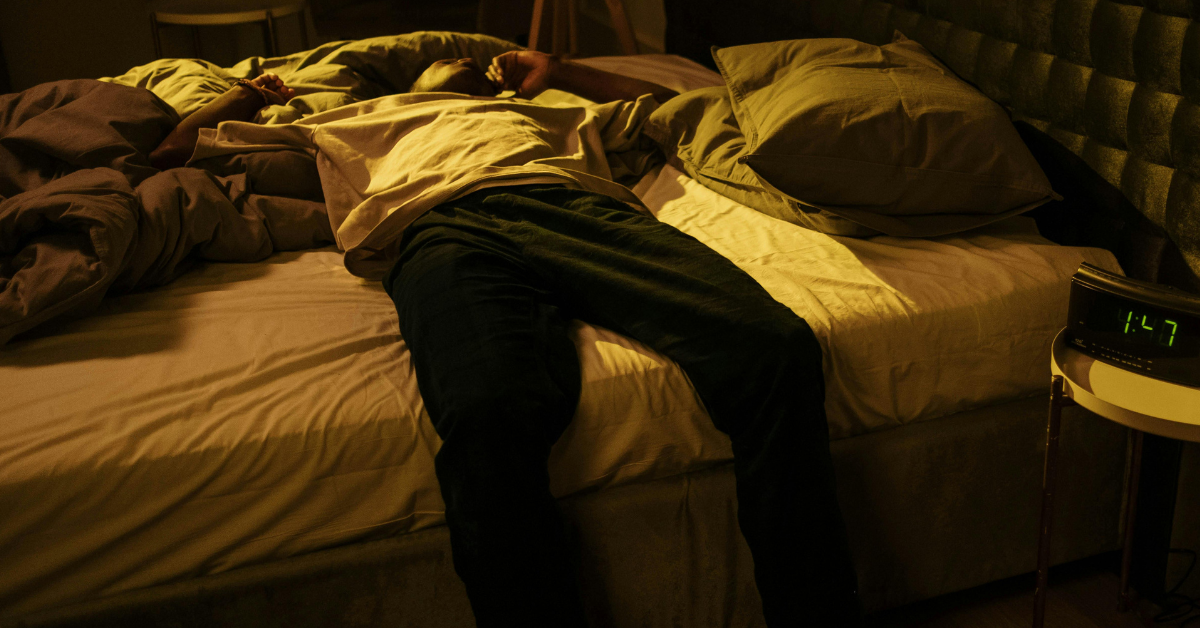

Depression shows up in so many different ways. It can make it hard for you to get out of bed in the morning. It can cause you to feel an immense loneliness you just can’t describe or explain. Depression can make it downright hard to just keep caring and showing up for yourself. And at the end of the day, the thought of moving forward seems completely unachievable. Now, you’re wondering if depression treatment is even worth it. Can it even help?
If you are currently struggling with depression, know that you are not alone. This mental health condition affects many people in the United States. In 2021, approximately 21 million adults in the U.S. had at least 1 major depressive episode.
While depression can be overwhelming to live with, there is hope through professional treatment. With the right support and guidance, you can find healing.
Understanding Depression
Everyone feels sad sometimes. Life can be hard, things can go wrong, and sadness is our human response to all of the difficulties we experience. Depression is different from this occasional sadness.
When a person has a depressive disorder, they can experience severe sadness and despair for days, weeks, months, and years on end. This can interfere with every area of an individual’s life. Common signs of depression include the following:
- Irritability
- Restlessness
- Low self-worth
- Unexplained fatigue
- Feelings of immense guilt
- Intense feelings of sadness
- Changes in appetite and eating habits
- Chronic pain (headaches, stomach aches, etc.)
- Sleep problems (sleeping too much or not enough)
- Loss of interest in hobbies or enjoyable activities
- Withdrawal from loved ones and friends
- Severe feelings of emptiness
- Feelings of worthlessness
- Difficulty concentrating
- Thoughts of death
- Suicidal thoughts
What Causes Depression?
There is no single cause of depression. Various factors can play a role in the development of this mood disorder:
- Genetics
- Life events
- Changes in brain chemicals
- Medical conditions
- Substance abuse
What are the Types of Depression?
Depression can look different from one person to the next. The symptoms, severity, and underlying causes vary depending on the type of depression. Understanding these differences can help you recognize your symptoms and find the right treatment.
Major Depressive Disorder
Major depressive disorder (MDD) is the most common type of depression. It causes persistent feelings of sadness, hopelessness, low energy, and loss of interest in daily activities for at least two weeks.
MDD can range from mild to severe. Some people experience a single depressive episode, while others have recurring episodes throughout their lives.
Persistent Depressive Disorder (PDD)
PDD is a long-term form of depression that lasts for 2 years or more. The symptoms can be ongoing and make it difficult to enjoy life, maintain relationships, or stay motivated.
Seasonal Affective Disorder (SAD)
SAD is a type of depression that typically develops during the fall and winter months when there is less natural sunlight. Symptoms often improve as the days become longer in the spring and summer.
Premenstrual Dysphoric Disorder (PMDD)
Premenstrual dysphoric disorder (PMDD) is a severe form of premenstrual syndrome that affects some women during the second half of their menstrual cycle.
Symptoms may include intense mood swings, sadness, irritability, fatigue, and difficulty concentrating. These symptoms usually improve once menstruation begins.
Postpartum Depression
Postpartum depression is a type of depression that can develop after childbirth. In addition to persistent sadness, anxiety, and exhaustion, many mothers struggle to care for themselves or their baby.
Since others often expect new mothers to feel happy, many women experience guilt or shame about what they are going through. With compassionate, professional treatment, postpartum depression is highly treatable, and recovery is possible.
What is Depression Treatment and How Does It Work?
When it comes to getting help for depression, treatment can include a variety of approaches. Each person who lives with this mental health disorder has a unique experience. Depression treatment reflects this by providing support in different ways.
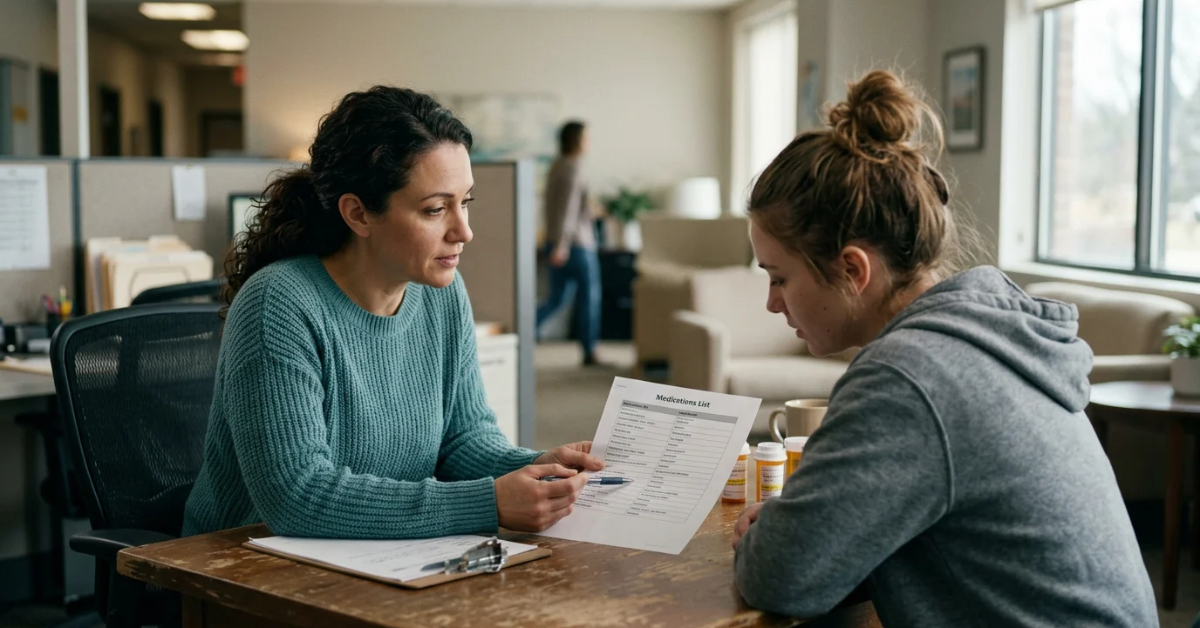
Professional treatment for depression typically involves both psychotherapy and medications, such as selective serotonin reuptake inhibitors (SSRIs) and serotonin-norepinephrine reuptake inhibitors (SNRIs).
Therapy for Depression
During treatment for depression, therapy helps you better understand your symptoms, identify what may be contributing to them, and develop healthier ways to cope. Over time, therapy can help you improve your relationships, build resilience, and regain a sense of purpose. Common approaches include:
- Cognitive behavioral therapy (CBT): CBT helps you recognize unhelpful thought patterns that can fuel depression. It teaches practical strategies to challenge those thoughts and respond to difficult situations in healthier, more balanced ways.
- Dialectical behavior therapy (DBT): DBT for depression teaches skills that can help you manage overwhelming emotions, cope with distress, and improve your relationships with others.
- Interpersonal therapy (IPT): Depression can affect relationships, and relationship challenges can also contribute to depression. IPT focuses on improving communication, resolving interpersonal conflicts, and helping you navigate major life changes in healthier ways.
- Group therapy: Group therapy provides a supportive environment where you can share your experiences, gain encouragement from others facing similar challenges, and practice healthy coping skills together.
- Psychotherapy: Talk therapy gives you a safe space to explore your thoughts, emotions, and past experiences with a mental health professional. This process can help you better understand the underlying factors contributing to your depression and work toward lasting emotional healing.
Medications for Depression
Everyone living with depression has a unique experience. So the medications used to treat depression may vary from person to person. Some of the common types of medications that treat depressive disorders include:
- Selective serotonin reuptake inhibitors (SSRIs): Some frequently prescribed SSRI medications include Celexa, Lexapro, Prozac, and Zoloft.
- Serotonin-norepinephrine reuptake inhibitors (SNRIs): Common SNRIs include Cymbalta, Effexor, Fetzima, and Pristiq.
Finding the right medication can take time. What works well for one person may not work for another. A mental health professional can help determine whether medication is appropriate for your needs and monitor your progress along the way.
When combined with therapy and other supportive treatments, medication can be an effective part of long-term recovery from depression.
Disclaimer: This is not a comprehensive list of depression medications. Your treatment plan may involve some or none of these medications.
Does Depression Treatment Actually Help?
Yes, depression treatment can make a meaningful difference. While recovery from depressive disorders looks different for everyone, professional treatment can help you better understand your symptoms, develop healthy coping strategies, and begin moving forward one step at a time.
Depression can make it difficult to imagine feeling better. With the right support, many people find relief from their symptoms, develop healthier coping skills, and begin rebuilding the life they want.
What If I’m Dealing With Depression and Addiction?
A person who is living with co-occurring addiction and depression has what is known as a dual diagnosis. When mental health and substance use disorders co-exist, the impact can be life-altering. Co-occurring disorders are very difficult to address without professional help. This is where dual diagnosis treatment comes in.
Dual diagnosis treatment addresses both addiction and mental health challenges at the same time. This can help prevent relapse. It also acknowledges the connection between depression and addiction. Some people develop depression as a result of the negative effects of substance abuse. Others who already have depression may self-medicate with alcohol or drugs. This may lead them to develop addiction alongside their depression.
During dual diagnosis treatment, mental health professionals create a customized plan to help in the recovery process. This plan may include medications, therapy, and other approaches.
Take Control of Your Mental Health Today Through Depression Treatment
Living with depression can be overwhelmingly difficult. With compassionate care and personalized treatment, it is possible to move toward a healthier, more fulfilling life. So if you find yourself struggling to feel joy, find peace, and truly feel like yourself, there is hope. Help is available through professional treatment for depression.
Milton Recovery Centers is committed to providing comprehensive and compassionate care to those who are living with mental health disorders and dual diagnoses. We understand the challenges you may be facing right now, and we’re here to support you throughout recovery.
Our individualized dual diagnosis care provides you with the tools you need to overcome depression and address co-occurring substance use. Reach out to our admissions team today to begin moving toward a new and healthier way of living.
FAQs About Depression Treatment
How long does depression treatment last?
Acute treatment for depression typically lasts for several weeks. During this phase, the goal is to ease depressive symptoms and shorten depressive episodes. The next phase of depression treatment can last 4-9 months. This part of the treatment process works to help relieve symptoms even more and maintain the progress a person has already made.
Why do I need treatment for depression?
It’s understandable to feel apprehensive about getting help for depression. The uncertainty you may feel toward treatment is natural. So, knowing just how it can help you may give you the comfort you need to reach out for help.
Treatment for depression can help you:
- Develop healthy coping skills
- Receive support and emotional comfort
- Address contributors to depression in your life
- Identify unhealthy or distorted thought patterns
- Establish realistic goals for the future
What else can I do for my depression?
Outside of professional treatment, you can engage in self-care habits. You can:
- Journal
- Exercise
- Get enough sleep
- Eat well (proper nutrition)
- Engage in outdoor activities
- Continue attending therapy
How long does it take to recover from depression?
Everyone’s journey is different. Depending on the type of depression a person has or how long they’ve been living with it, the recovery time can vary.
For many, recovery is a gradual process, and everyone’s experience is different. With the right treatment and ongoing support, many people experience significant symptom improvement and build the tools they need to manage depression over time.