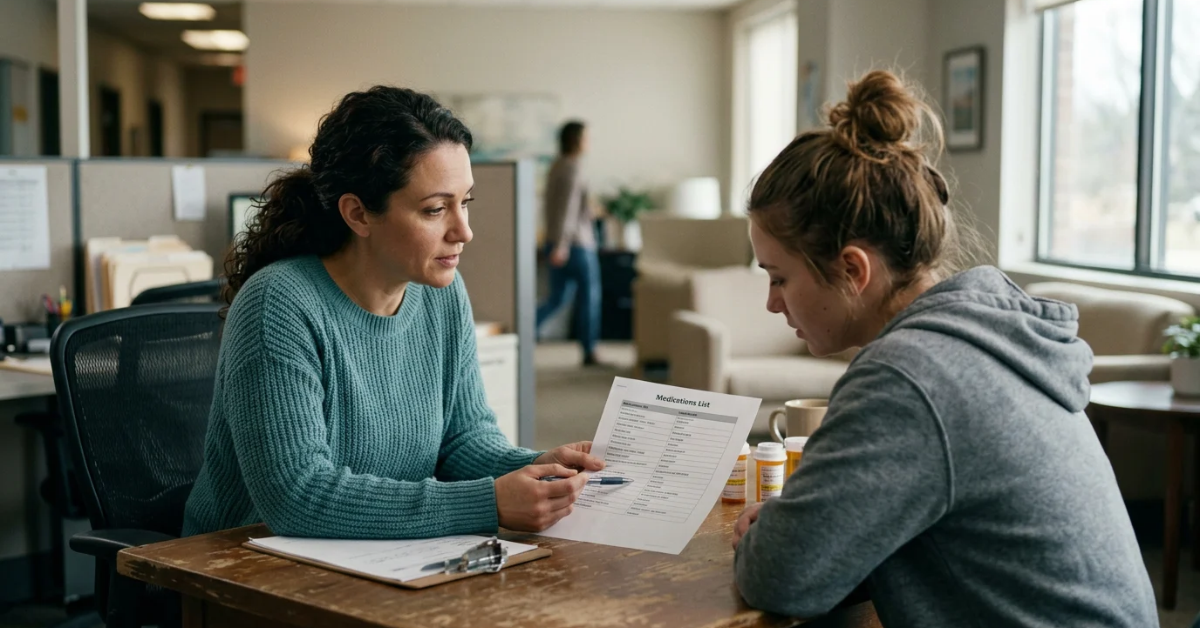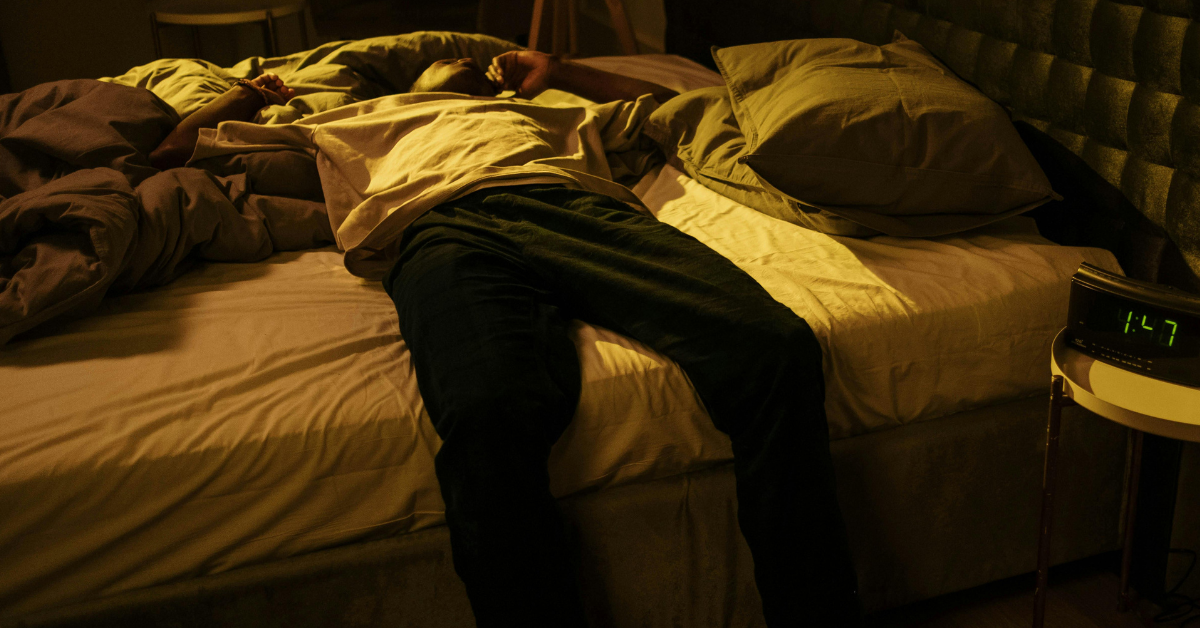
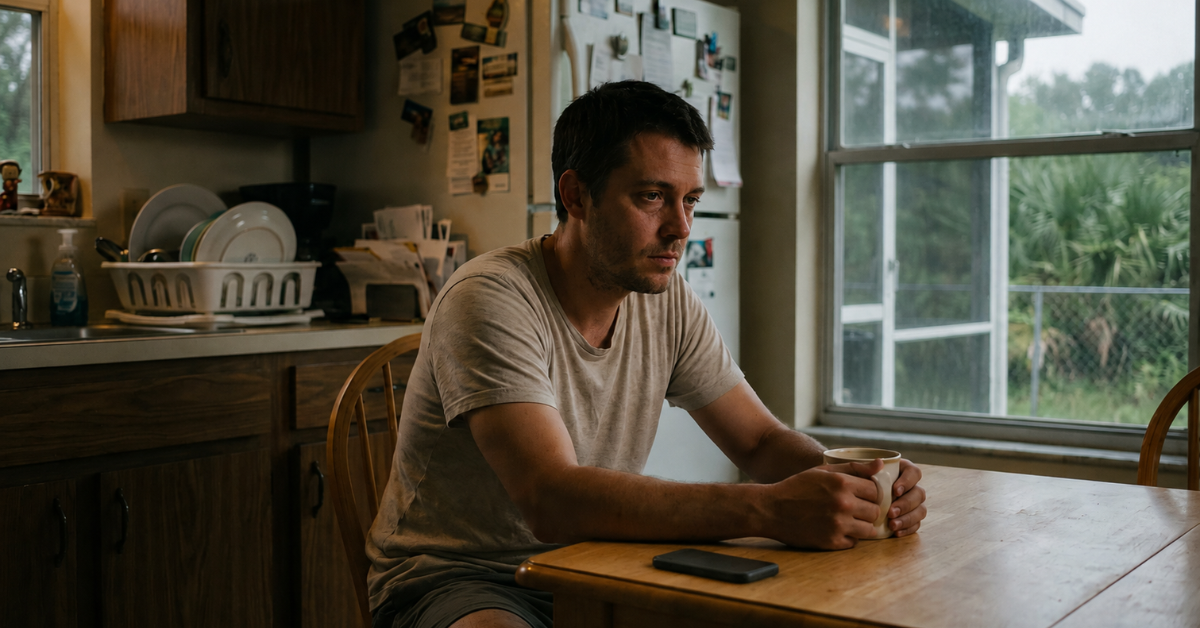
Depression can make ordinary responsibilities difficult to manage. You might miss work because getting out of bed feels impossible, stop returning messages, or struggle to eat regular meals. A partial hospitalization program for depression may be appropriate when symptoms significantly interfere with daily functioning, outpatient therapy no longer provides enough support, and you can remain safe without overnight supervision.
A partial hospitalization program (PHP) provides intensive depression treatment during the day without an overnight hospital stay. It’s designed for people who need more support than routine appointments but can safely manage the hours outside treatment. Understanding when depression requires PHP can help you recognize the warning signs and discuss the next step with a mental health professional.
What Is a Partial Hospitalization Program for Depression?
When depression makes daily responsibilities difficult to manage, weekly therapy appointments may not provide enough care. A partial hospitalization program (PHP) offers structured mental health treatment for patients who need frequent clinical attention but do not require 24-hour supervision.
At Milton Recovery Centers, mental health PHP includes individualized care, group therapy, and individual counseling. Clinicians monitor depressive symptoms and adjust care based on each patient’s progress. Patients attend scheduled sessions during the day and return to an appropriate living environment afterward, allowing them to practice coping skills while receiving consistent professional care.
Signs You Need PHP for Depression
Depression may require more intensive care when symptoms persist or worsen despite outpatient therapy. The National Institute of Mental Health (NIMH) identifies persistent sadness, loss of interest, fatigue, and difficulty concentrating as common symptoms. When these difficulties significantly affect your ability to function, PHP provides structured support for patients who can remain safe outside treatment hours.
Depression Symptoms That Interfere With Daily Functioning
Severe depression can make basic responsibilities difficult to maintain. You may struggle with personal hygiene, neglect household tasks, or find it increasingly difficult to leave home. Changes in sleep and appetite can further disrupt your routine. PHP helps patients manage these symptoms and work toward improved daily functioning through regular therapy and clinical monitoring. Patients who cannot safely meet their basic needs outside treatment hours may require inpatient psychiatric care.
When Outpatient Therapy Is No Longer Enough for Depression
You may attend weekly therapy and take prescribed medication but still struggle with worsening depression. Persistent hopelessness, exhaustion, or difficulty managing daily responsibilities can indicate that your current level of care isn’t providing enough support. Antidepressants sometimes require adjustments under medical supervision, but increasing symptoms also warrant a closer look at your overall needs.
Knowing when to seek treatment for depression at a higher level is important, especially when symptoms interfere with your ability to function. A partial hospitalization program (PHP) provides intensive therapy and regular psychiatric monitoring for patients who need more support than traditional outpatient appointments. At Milton Recovery Centers, PHP allows clinicians to address persistent symptoms and adjust care throughout the week without requiring overnight hospitalization.
When Is PHP Necessary for Depression?
PHP provides severe depression treatment for patients who need more frequent clinical care than traditional outpatient appointments offer but can remain safe without overnight supervision. Mental health professionals evaluate daily functioning, previous treatment, and whether patients can remain safe outside scheduled sessions. These factors help establish PHP eligibility criteria and determine whether partial hospitalization is appropriate.
According to Medicare’s guidelines, PHP serves as an alternative to inpatient psychiatric care. Medicare coverage requires certification that inpatient treatment would otherwise be necessary and a care plan requiring at least 20 hours of therapeutic services per week. Other insurers may have different requirements. If you’re unsure whether your depression requires PHP, the admissions team at Milton Recovery Centers can discuss your concerns and help you understand the next steps toward entering its mental health PHP.
When Inpatient Psychiatric Hospitalization Is Necessary
Some symptoms require more supervision than PHP provides. Suicidal intent, severe psychiatric symptoms that compromise safety, or an inability to meet basic needs can make inpatient hospitalization necessary. Someone experiencing depression-related psychosis may need continuous monitoring if symptoms impair judgment or create dangerous behavior. Anyone experiencing an immediate mental health emergency should seek emergency medical attention. Calling or texting 988 provides access to crisis support in the United States
What Happens During a Partial Hospitalization Program for Depression?
During PHP for depression, patients follow a structured schedule of therapeutic activities designed to address depressive symptoms and improve daily functioning. Care includes individual counseling, group therapy, and psychiatric services based on each patient’s needs. Clinicians help patients develop coping skills they can practice outside scheduled sessions.
At Milton Recovery Centers, mental health PHP provides individualized care for patients who need consistent clinical support without overnight hospitalization. The program combines evidence-based therapies with ongoing symptom monitoring to help patients work toward greater stability in their daily lives.
Individual and Group Therapy
Individual therapy gives patients a private setting to address how depression affects their daily lives. During individual therapy at Milton Recovery Centers, therapists help patients identify negative thinking patterns and work through difficulties that contribute to depressive symptoms. Group therapy provides opportunities to connect with others experiencing mental health challenges while developing communication and coping skills. For patients who have withdrawn from relationships because of depression, participating in group sessions can help reduce isolation and encourage greater involvement in daily life.
Psychiatric Evaluation and Medication Management
Some patients experience persistent depression despite taking prescribed medication, while others struggle with side effects or an incomplete response. During a psychiatric evaluation, a qualified professional reviews symptoms, medical history, and previous medications to determine whether changes are appropriate. This is particularly important for patients receiving major depressive disorder treatment who continue experiencing significant symptoms.
At Milton Recovery Centers, medication management allows prescribing professionals to monitor patients throughout PHP and adjust medications when clinically appropriate. Antidepressants often take several weeks to reach their full effect, making follow-up care important. When medication is part of a patient’s care plan, psychiatric monitoring works alongside therapy to address symptoms that interfere with daily functioning.
CBT and DBT for Depression
Cognitive behavioral therapy (CBT) helps patients recognize negative thinking patterns and behaviors that contribute to depression. Through CBT, patients learn to challenge unhelpful beliefs and develop healthier daily habits. For example, someone who withdraws from activities because of hopelessness can work with a therapist to gradually rebuild their routine.
Dialectical behavior therapy (DBT) focuses on managing intense emotions and responding to distress in healthier ways. These skills can benefit patients whose depression involves difficulty regulating emotions. At Milton Recovery Centers, clinicians incorporate these approaches into individualized care based on each patient’s needs.
Depression and Co-Occurring Conditions During PHP
Depression frequently occurs alongside anxiety disorders or post-traumatic stress disorder (PTSD). Some patients also experience substance use disorders that complicate psychiatric care. During PHP, clinicians evaluate how these conditions affect depressive symptoms and determine which concerns need additional attention. Milton Recovery Centers provides dual diagnosis treatment for patients experiencing mental health conditions alongside substance use disorders. Addressing both conditions through coordinated care helps patients work toward greater stability. Patients requiring medical detoxification or continuous supervision may need a higher level of care before entering PHP.
Comparing Depression Treatment Options: PHP, IOP, and Inpatient Care
Choosing the appropriate level of care depends on symptom severity and how much clinical supervision a patient needs. Outpatient depression treatment typically involves regular therapy appointments, while an intensive outpatient program (IOP) offers more frequent sessions. Depression PHP treatment provides intensive daytime care without an overnight hospital stay. Inpatient psychiatric care offers 24-hour supervision for patients with more serious safety needs.
PHP vs. IOP for Depression
PHP generally involves four to six hours of care per day, five days per week. IOP requires fewer treatment hours and serves patients who can manage more of their daily responsibilities independently. At Milton Recovery Centers, both programs provide structured mental health care, with PHP offering more frequent therapeutic contact and clinical monitoring. Patients may enter PHP when their depression requires greater support, then transition to IOP as their symptoms improve and they no longer need the same level of care.
How Long Is PHP for Depression?
A partial hospitalization program for depression typically lasts several weeks, although the length depends on each patient’s symptoms and progress. Some patients complete PHP within two to six weeks, while others need additional care. UCLA Health notes that partial hospitalization can last from two weeks to several months.
Patients experiencing treatment-resistant depression may need closer monitoring or changes to their care plan, but the diagnosis alone does not determine how long PHP is necessary. Clinicians regularly evaluate symptom improvement, daily functioning, and continued medical necessity. Insurance authorization can also influence the length of coverage.
Signs You’re Ready to Transition From PHP to IOP
Patients may be ready to transition from PHP to an intensive outpatient program (IOP) when depressive symptoms become more manageable and they no longer require the same level of daily clinical support. Improved self-care, consistent participation in therapy, and the ability to manage difficult emotions between sessions help clinicians evaluate progress.
Before recommending IOP, the clinical team at Milton Recovery Centers considers each patient’s safety, progress, and available support systems. Stepping down to IOP allows patients to continue receiving structured mental health care with fewer scheduled hours as they become more independent.
Does Insurance Cover Partial Hospitalization for Depression?
Many health insurance plans cover PHP for depression when treatment is medically necessary. However, coverage depends on your policy, provider network, and any prior authorization requirements. Insurers may also consider symptom severity and previous care when determining eligibility. Milton Recovery Centers’ admissions team can help patients verify their insurance coverage and understand potential out-of-pocket costs before beginning treatment.
Depression Treatment at Milton Recovery Centers in Florida
When depression continues to interfere with daily life despite outpatient therapy, getting more consistent clinical care becomes important.Milton Recovery Centers offers mental health PHP in Florida at its North Palm Beach location, providing intensive daytime care for patients who need more support than outpatient therapy. Through structured therapy and psychiatric care, patients can address persistent symptoms while working toward improved daily functioning.
If your current level of care is no longer meeting your needs, contact Milton Recovery Centers’ admissions team admissions team to discuss whether mental health PHP is appropriate. The team can explain what to expect, help you verify your insurance benefits, and guide you through the admissions process.