
The tranq drug, formally known as xylazine, is a new street drug gaining popularity across the United States. This depressant has seen a rise in use since 2019. It continues to be found in drug supplies in nearly 50 states at a growing rate.
It is now considered a factor in the nation’s overdose epidemic and is a public health concern. With its resistance to overdose reversal medications, tranq poses unique threats to those with tranq addiction.
What is Tranq Drug?
“Tranq” or “tranq dope” is an addictive street drug consisting of xylazine, a tranquilizer used by veterinarians on animals. It is often found mixed in illicit opioid supplies, including fentanyl. Tranq is a central nervous system depressant that slows down the body and brain to dangerously low degrees.
Xylazine is produced as a clear liquid or powder for users to inject, inhale, swallow, or snort. It easily takes on the look of whatever drugs it is mixed with. Most people who take xylazine are unaware of its presence. It is added to their drug of choice, and there is no simple way to detect it. With the increased use of tranq as a cutting agent, users become addicted to the substance in addition to other substances and may begin to seek out tranq on its own.
The Rise of Tranq Use
Xylazine was first seen in drug supplies in Puerto Rico in the early 2000s. Tranq experienced a rise in popularity starting in 2019, with its presence more than doubling across the United States.
In recent years, the Drug Enforcement Administration (DEA) reported that over 20% of fentanyl powder seized contained xylazine. States in the northeast, including Pennsylvania, Connecticut, Maryland, and Vermont, have seen the largest increase. In 2021, 90% of street drug samples tested in Philadelphia contained some level of xylazine.
Tranq Drug Side Effects
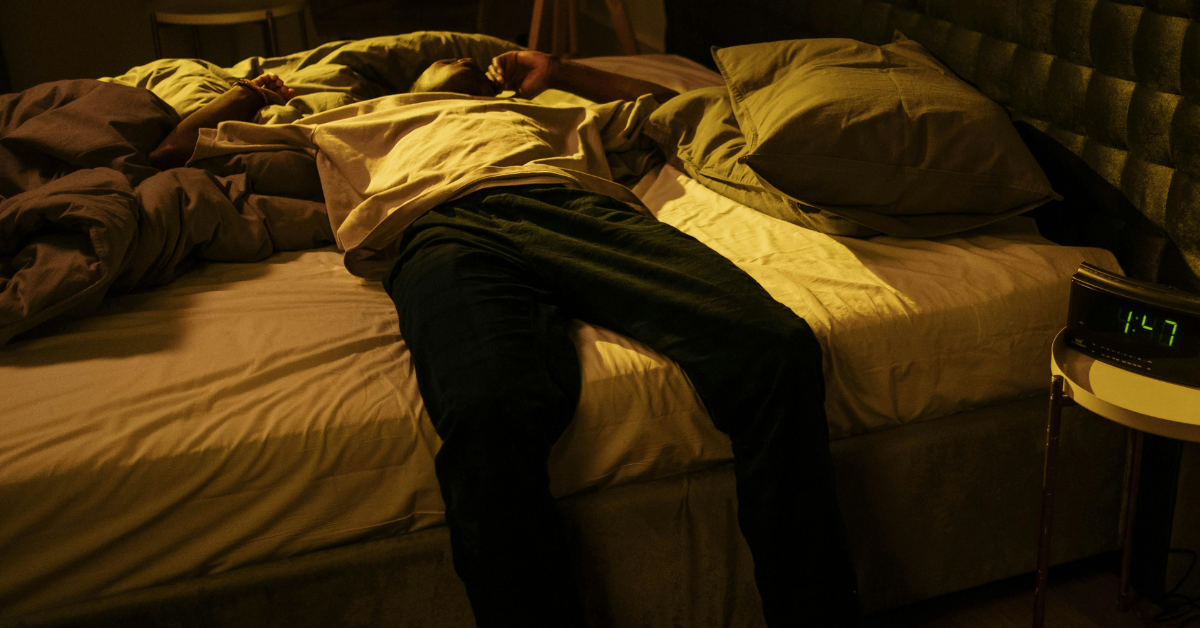
Tranq is a depressant. It causes the body and the brain to relax. This can reach a dangerous level. When used in excess, tranq can put users into a deep state of sleep, resulting in coma.
Additionally, users are more prone to bacterial infections and viruses due to needle sharing. Necrotic skin wounds are also seen with extended use. Infections and abscesses develop at injection sites. When left untreated, these wounds cause widespread infection and even deteriorate the body’s soft tissues.
Other side effects include:
- Drowsiness
- Relaxes muscles
- Slowed heart rate
- Slowed breathing
- Low blood pressure
- Muscle sores
- Skin abscess and infections leading to sepsis
- Hypothermia
Can You Overdose on Tranq?
Yes. Xylazine is commonly found in fentanyl and other opioids to make tranq. This makes it extremely dangerous and more likely to cause an overdose. Xylazine does not react to opioid overdose reversal medications, like naloxone. But, it is recommended to still administer overdose reversal medications because xylazine exposure is typically combined with opioids that will react to the medications.
Treatment for Tranq Addiction in Florida
Tranq is a highly addictive substance, especially when mixed with opioids. Users will experience withdrawal symptoms and require a full continuum of care from detox to outpatient addiction treatment. If you or someone you love is struggling with addiction, our drug rehab in North Palm Beach can provide guidance and care. Contact us today to learn more about your options.