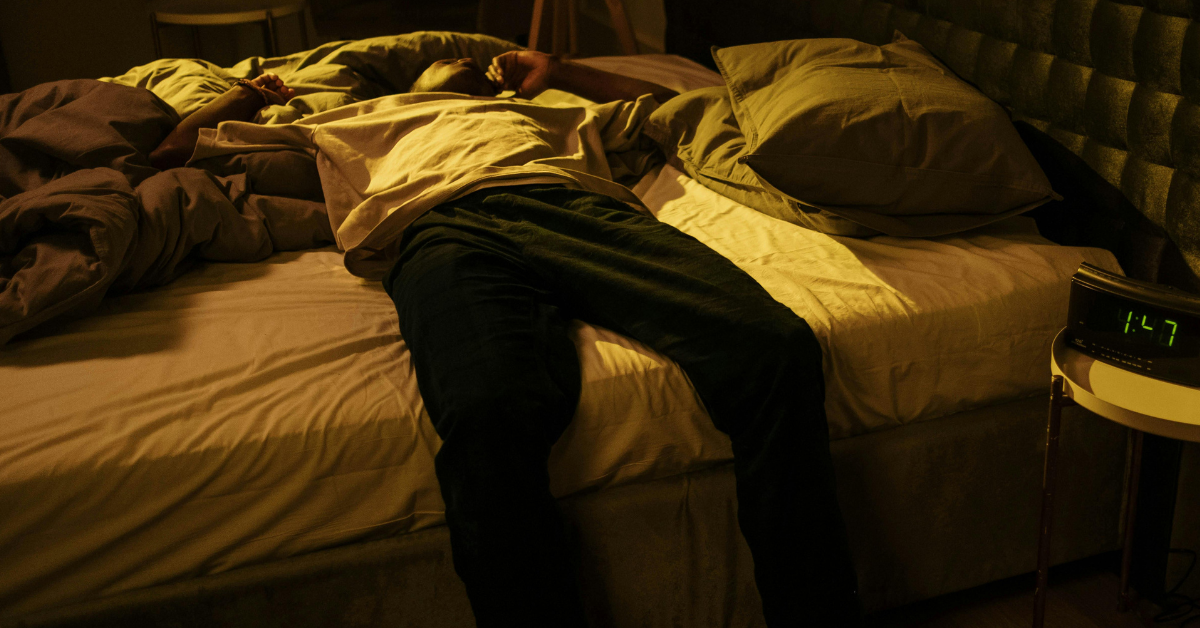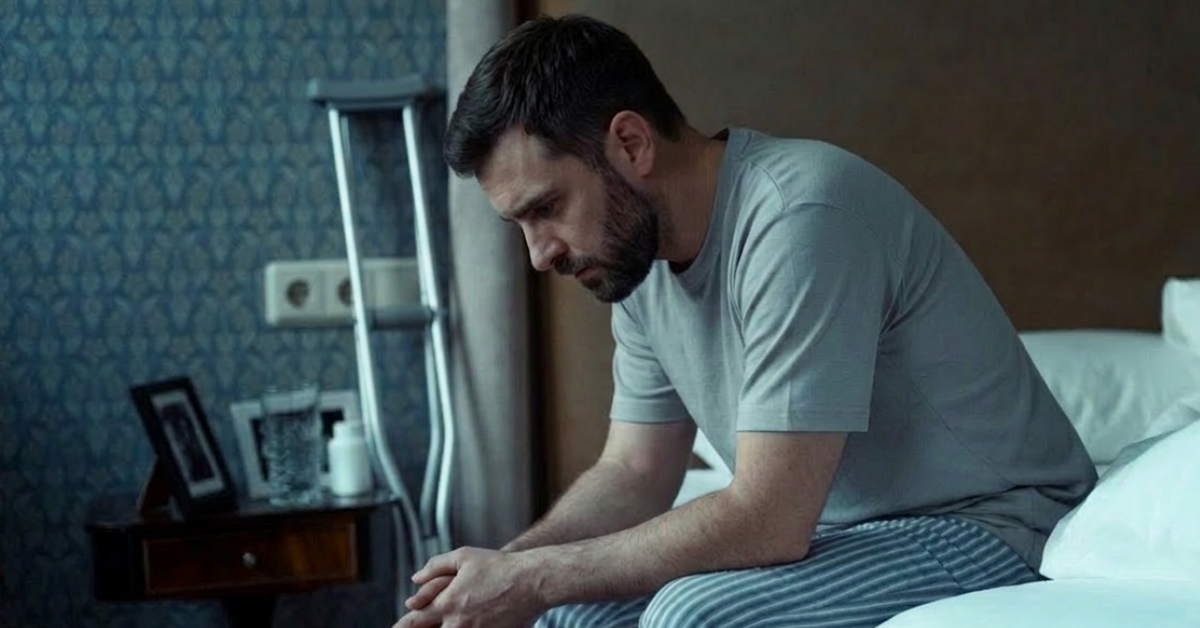

Feeling nervous before a social situation is normal. You might get butterflies in your stomach, worry about what to say, or notice mild sweating. These feelings usually don’t stop you from going out or interacting with others. Social Anxiety Disorder (SAD), previously called social phobia, is different.
Social Anxiety Disorder happens when fear of social situations leads to strong physical symptoms, worry, and avoidance. Over time, anxiety before, during, and after social interactions can affect relationships, work, and daily life.
What is Social Anxiety Disorder?
Social Anxiety Disorder is a long-term mental health condition. It involves an intense fear of being judged, embarrassed, or perceived by others. This fear can show up in common situations, such as work meetings, family events, social gatherings, or even everyday tasks.
Social anxiety affects both the mind and body. Social interactions may feel draining or impossible. Without treatment, this condition can lead to isolation and a lower quality of life.
Anxiety vs. Nervousness: What’s the Difference?
Anxiety and nervousness are both stress responses. However, nervousness is temporary while anxiety is chronic and persistent.
For many with SAD, fear may begin days or weeks before an event and continue long after it’s over. The anticipation alone can feel draining, making avoidance feel like the only option. While everyone feels nervous occasionally, anxiety is a treatable mental health condition.
What are the Signs of Social Anxiety Disorder?
Social Anxiety Disorder can affect thoughts, emotions, and behavior. They may look different depending on age and personal experiences, but common signs include:
- Persistent worry about how others perceive you
- Fear of talking to or being around people
- Excessive sweating, nausea, or vomiting
- Trouble breathing or feeling short of breath
- Lightheadedness or dizziness
- Avoidance of social situations, including work or daily errands
- Emotional outbursts
- Clinging to a trusted person for reassurance
Who Can Have Social Anxiety Disorder?
While Social Anxiety Disorder is more prevalent in women than in men, anyone at any age can have it. It can develop for many reasons, including trauma, brain chemistry, environmental factors, and family history of mental health disorders. During diagnosis and treatment, a therapist for anxiety will evaluate the root cause to establish an appropriate treatment plan.
How Does Social Anxiety Disorder Affect Daily Life?
Social Anxiety Disorder can make everyday activities feel overwhelming. While public speaking or being the center of attention may feel impossible, it can run deeper than that.
Individuals may struggle with going to work, shopping at the grocery store, making phone calls, hanging out with friends, and dating. Over time, avoidance can lead to isolation, loss of structure, and strained relationships, reinforcing the cycle of anxiety.
How is Social Anxiety Disorder Diagnosed?
A diagnosis of Social Anxiety Disorder requires an evaluation by a licensed mental health professional, such as a psychologist or psychiatrist. They will evaluate your medical history to understand other diagnoses, medication use that may contribute to heightened anxiety, and the timeline of your symptoms to see how persistent they are.
Over the course of the evaluation, you will have a conversation with your healthcare provider about your symptoms. You’ll go over a list of situations to assess your response, and likely complete a self-evaluation.
Your healthcare provider will use DSM-5 criteria to assess your mental state and determine if the symptoms shown align with a Social Anxiety Disorder diagnosis.
Is Social Anxiety Disorder Treatable?
Yes, Social Anxiety Disorder is treatable. While there is not necessarily a “cure”, seeing a therapist for anxiety on a regular basis can make symptoms manageable and improve daily functioning. Treatment focuses on understanding thought patterns, building coping skills, and gradually increasing confidence in social situations. Therapeutic modalities that may be used can include:
Cognitive Behavioral Therapy (CBT)
CBT for anxiety is an evidence-based form of talk therapy. It connects thoughts to actions and behaviors. With the guidance of a trusted counselor, patients have a safe space to explore their thoughts and feelings without judgment. It helps individuals identify unhelpful thought patterns and replace them with healthier, more realistic perspectives.
Mindfulness Practices
Mindfulness is the practice of focusing on the present moment. Mindfulness tools, like deep breathing and body scans, allow patients to observe their thoughts and bodily reactions without guilt or shame. These exercises can reduce stress, support self-compassion, and improve emotional regulation.
Social Skills Training
Social skills training helps individuals feel more prepared for interactions. With a therapist, patients may practice starting conversations, maintaining eye contact, navigating group settings, and politely excusing themselves from uncomfortable situations.
Exposure Therapy
Exposure therapy involves gradually facing feared social situations with professional support. Rather than avoiding anxiety triggers, patients learn to move through them at their own pace.
The therapist or support system acts as a coach. They let the patient lead the way while providing encouragement during challenging moments. With repeated exposure, once intimidating situations become less overwhelming and more manageable.
How Do I Know If I Need Treatment for Social Anxiety?
It’s not always easy to tell the difference between nervousness and anxiety. If you suspect you or a loved one is suffering from social anxiety, ask the question: How much is this interfering with daily life?
If someone is avoiding social situations due to stress or fear, skipping school or missing work, experiencing panic attacks due to social interaction, or feeling isolated, it may be time to speak with a professional. For many, seeking treatment can feel like a failure to cope, but that couldn’t be further from the truth. Treatment can be a lifeline because everyone deserves to enjoy a peaceful life with the ability to show up without fear controlling their choices.
What is the Best Treatment for Anxiety?
Patience is key when treating anxiety. It takes time to understand what triggers you, how to recognize those triggers, and how to control your reaction to them. Treatment goals for anxiety involve equipping individuals with the tools to overcome their own limiting beliefs. Outpatient mental health treatment provides the structure and support needed to build lasting coping skills while continuing daily life.
Partial Hospitalization Program for Anxiety
A partial hospitalization program for mental health offers 20 or more hours of therapy per week without overnight stays. PHP for mental health is ideal for people with significant anxiety symptoms who need significant support while maintaining personal responsibilities.
Intensive Outpatient Program for Anxiety
An intensive outpatient program for mental health provides fewer weekly therapy hours than PHP but still offers consistent clinical care. IOP for anxiety is often a step-down option or a starting point for those with moderate symptoms who need flexibility.
Reclaim Your Life with Treatment for Social Anxiety Disorder Control
At Milton Recovery Centers, we help individuals experience Social Anxiety Disorder by providing them with a safe, judgment-free space to explore their feelings and develop social skills. Our compassionate team is here to educate you on your treatment options and determine the best path to healing for your unique needs. Reach out today to learn more about our North Palm Beach recovery center.