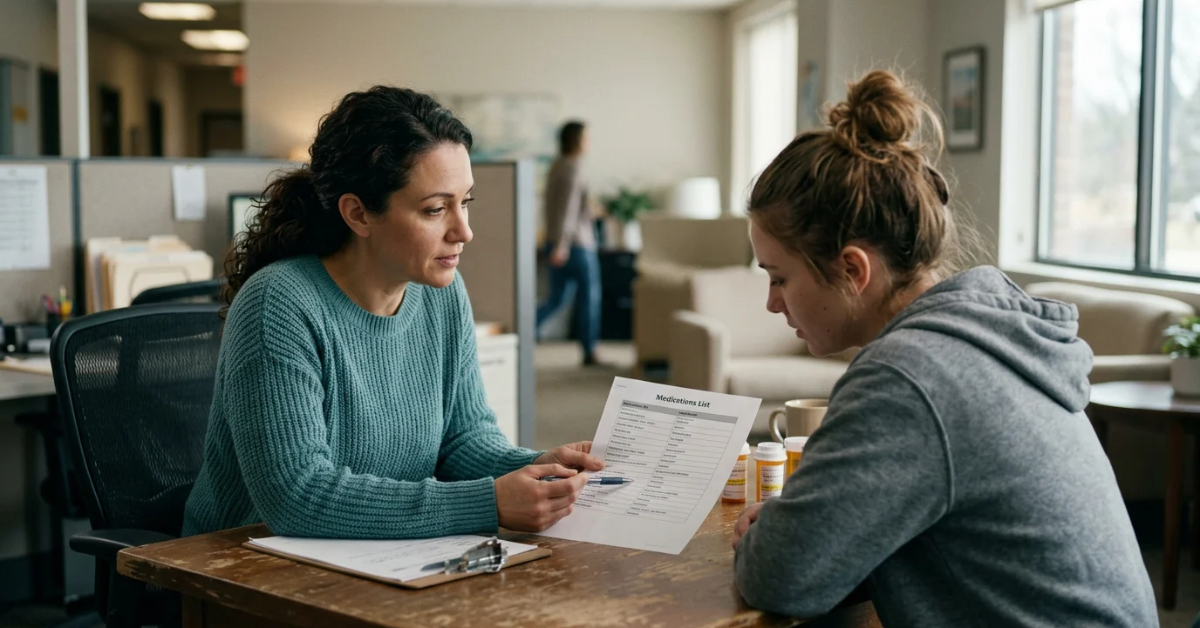

Searching for “rehab near me” can bring up dozens of treatment options, but location alone does not determine whether a program is the right fit. The right treatment program should match the person’s clinical needs, current level of stability, and the amount of structure required during treatment. Some people may need medical detox or residential care before stepping into outpatient treatment, while others may be appropriate for a partial hospitalization program, intensive outpatient program, or another level of care.
A professional assessment can help determine where treatment should begin. It is also important to look at the quality of the clinical team, the therapies offered, how treatment plans are developed, and whether the program can address co-occurring mental health concerns when needed. Insurance coverage, licensing, accreditation, family involvement, and planning for continued care can also help narrow the options before admission.
What Should I Look for When Searching for a Rehab Near Me?
When searching for a “rehab near me”, focus on the quality of care rather than location alone. A reputable treatment center should assess your substance use, medical history, mental health, and current symptoms before recommending a level of care. Facilities like Milton Recovery Centers use a multidimensional assessment criteria recommended by the American Society of Addiction Medicine (ASAM) to help determine the type and intensity of treatment a person may need.
How to Know if a Rehab Near Me Treats My Specific Condition?
Before choosing a rehab, it is important to confirm that the program has experience treating your specific condition. Review the facility’s website for information about the disorders they treat, available levels of care, clinical services, and specialized programs. You can also speak directly with the admissions team about your symptoms, diagnosis, treatment history, and any co-occurring mental health or substance use concerns. At Milton Recovery, our team can help determine whether our programs align with your needs and recommend the appropriate level of care.
Drug and alcohol treatment should account for the substance involved, patterns of use, withdrawal risks, previous treatment, and any medical or psychiatric concerns. Someone seeking help for alcohol use disorder may have different needs than someone using opioids, stimulants, benzodiazepines, or multiple substances.
Co-occurring depression, anxiety, trauma-related conditions, bipolar disorder, and other psychiatric concerns can also influence treatment. Milton Recovery Centers treats substance use disorders and mental health conditions, including co-occurring conditions when clinically appropriate.
Does Rehab Offer the Level of Care I Need?
The level of care you need depends on the severity of your symptoms, your medical needs, your living situation, and the amount of support you need each day. A full continuum of care includes medical detox, residential treatment, partial hospitalization, intensive outpatient, or standard outpatient care. A clinical assessment can help determine which option best matches your needs and whether your treatment plan should change as you progress.
Some people need detox or residential treatment before they can safely enter outpatient care. Others may start with structured outpatient treatment. For patients who fit this level of care, Milton Recovery Centers offers detox and residential treatment at their Milton Jefferson location. For other levels of care Milton Palm Beach provides PHP and IOP treatment for substance use disorders, mental health conditions, and co-occurring concerns.
How Do I Know if a “Rehab Near Me” Is Reputable?
A reputable rehab should be licensed, transparent about its services, and staffed by qualified medical and behavioral health professionals. Look for programs that use evidence-based treatment, explain costs and insurance clearly, and provide individualized care rather than a one-size-fits-all approach. It can also help to review accreditation, patient feedback, and how the facility handles admissions, family involvement, and aftercare planning.
Is the Rehab Licensed and Accredited?
Licensing and accreditation serve different purposes. State agencies regulate treatment providers, while independent accrediting organizations evaluate areas such as patient safety, quality of care, and treatment practices.
In Florida, the Department of Children and Families (DCF) licenses substance use disorder programs, including detoxification, residential, intensive outpatient, outpatient, and medication-assisted treatment for opioid use disorders. The Agency for Health Care Administration (AHCA) regulates certain healthcare facilities and clinics.
The Joint Commission accredits behavioral health and addiction treatment organizations that meet its standards. Many people still recognize the accreditation organization by its former acronym, JCAHO. Milton Recovery Centers maintains Joint Commission accreditation and identifies AHCA among its Florida regulatory credentials.
In Ohio, the Ohio Department of Behavioral Health (DBH) oversees applicable behavioral health licensing and certification. Ohio renamed the former Ohio Department of Mental Health and Addiction Services, or OhioMHAS, in 2025.
Before choosing a rehab, verify that you are considering a licensed addiction treatment center and confirm its credentials through the appropriate state agency or accrediting organization.
Are Treatment Providers Licensed and Credentialed?
Qualified treatment providers should have the proper licenses, certifications, and training for the care they provide. Depending on the program, the clinical team may include physicians, nurses, therapists, counselors, and other behavioral health professionals. Before choosing a rehab, ask about staff credentials, licensing requirements, and whether the facility follows state and professional standards for addiction and mental health treatment.
- Treatment facility: Florida: Substance use treatment programs are generally licensed by the Florida Department of Children and Families (DCF) under Chapter 397. Ohio: Mental health and addiction treatment services are generally certified by the Ohio Department of Behavioral Health under Chapter 5119.
- Mental health counselor: Florida: Licensed Mental Health Counselor (LMHC). Ohio: Licensed Professional Counselor (LPC) or Licensed Professional Clinical Counselor (LPCC), depending on scope and independent practice authority.
- Clinical social worker: Florida: Licensed Clinical Social Worker (LCSW). Ohio: Licensed Social Worker (LSW) or Licensed Independent Social Worker (LISW).
- Marriage and family therapist: Florida: Licensed Marriage and Family Therapist (LMFT). Ohio: Marriage and Family Therapist (MFT) or Independent Marriage and Family Therapist (IMFT).
- Psychologist: Florida: Florida-licensed psychologist. Ohio: Ohio-licensed psychologist.
- Physician or psychiatrist: Florida: Florida-licensed physician, including psychiatrists. Ohio: Ohio-licensed physician, including psychiatrists.
- Nursing professionals: Florida: Registered Nurses and Advanced Practice Registered Nurses must hold the appropriate Florida nursing license. Ohio: Registered Nurses and Advanced Practice Registered Nurses must hold the appropriate Ohio nursing license.
- Addiction counselor: Florida: Substance use services may be provided by professionals who meet Florida’s statutory definition of a qualified professional, including certain licensed clinicians and appropriately certified addiction professionals. Ohio: Recognized credentials include Licensed Independent Chemical Dependency Counselor (LICDC), LCDC III, LCDC II, and Chemical Dependency Counselor Assistant (CDCA), with scope determined by the credential.
- Independent addiction professional: Florida: Qualified professionals must meet the education, licensure, certification, and experience standards applicable to their role. Ohio: LICDC applicants generally must hold at least a master’s degree in behavioral science or nursing and satisfy experience, substance use training, and examination requirements.
- Bachelor’s-level addiction counselor: Florida: Certain appropriately certified professionals may provide substance use services within the scope permitted by Florida law and facility rules. Ohio: LCDC III generally requires at least a bachelor’s degree in behavioral science or nursing plus qualifying experience and substance use-specific education.
- Supervised or support staff: Florida and Ohio: Not every employee in a treatment center must hold an independent clinical license. Programs can use supervised, registered, certified, or otherwise qualified staff as permitted by state law, but staff must work within the scope of their credential and the facility’s licensing or certification requirements.
Does the Rehab Use Evidence-Based Treatment?
Evidence-based treatment uses therapies and clinical approaches that have been studied and shown to be effective for substance use and mental health conditions. These may include cognitive behavioral therapy, motivational interviewing, medication-assisted treatment, trauma-informed care, and other proven methods.
A reputable rehab should be able to explain which treatments it uses, why they are appropriate, and how care is adjusted based on each patient’s needs. Milton Recovery Centers incorporate evidence-based approaches into our substance use and mental health programs and use individualized treatment planning to guide care.
How Can I Check Reviews and Patient Experiences?
Reviews can give you a better sense of what patients and families experienced during treatment. Look at feedback across multiple sources, including Google, accreditation profiles, and independent review sites, rather than relying on one platform alone. Pay attention to recurring comments about staff, communication, cleanliness, admissions, billing, and aftercare. A few negative reviews are not unusual, but consistent patterns can help you identify potential concerns.
What Types of Rehab Programs Are Available Near Me?
When searching for rehab programs near me, you may find different levels of care along with services that support addiction and mental health treatment. Rehab programs can vary based on how much structure, medical support, and time in treatment a person needs. Common options include medical detox, residential or inpatient treatment, partial hospitalization programs, intensive outpatient programs, standard outpatient care, and medication-assisted treatment. Some centers also offer specialized programs for co-occurring mental health conditions, trauma, chronic relapse, or specific populations. The right program depends on your current needs, health history, support system, and recovery goals.
Medical Detox
Detox manages withdrawal from alcohol, opioids, benzodiazepines, and other substances that can cause physical dependence. Medical professionals monitor symptoms, address complications, and may use medication when appropriate. After stabilization, the treatment team can determine what form of addiction treatment should come next.
Residential or Inpatient Rehab
Residential and inpatient treatment both provide 24-hour care, but they differ in medical intensity. Residential treatment typically provides structured behavioral health care in a live-in setting. Inpatient treatment provides a higher level of medical or psychiatric management for people who need closer monitoring or stabilization.
Partial Hospitalization Programs
A partial hospitalization program (PHP) provides intensive daytime treatment while patients live outside of a residential facility. PHP generally offers more clinical hours and structure than IOP. Milton Recovery Centers offers PHP for substance use and mental health treatment, with services that may include therapy, psychiatric care, medication management, and treatment for co-occurring concerns.
Intensive Outpatient Programs
An intensive outpatient program (IOP) provides structured treatment several days each week while giving patients more time for work, school, family, and other responsibilities. Milton’s intensive outpatient programs support substance use and mental health treatment for patients who can safely manage greater independence outside of clinical hours.
Outpatient Treatment
Standard outpatient treatment provides fewer treatment hours than PHP or IOP. Patients may continue therapy, psychiatric care, medication management, recovery counseling, or other behavioral health services while managing most daily responsibilities independently.
Medication-Assisted Treatment (MAT)
Medication-Assisted Treatment (MAT) combines medication with counseling and behavioral care for certain substance use disorders. FDA-approved medications can help address opioid or alcohol use disorder depending on the patient’s needs. Milton can incorporate medication management into substance use treatment when the clinical team determines that medication fits the treatment plan.
Mental Health and Dual Diagnosis Treatment
Mental health conditions can influence substance use and recovery. Milton Recovery Centers treats substance use and mental health concerns together when patients experience co-occurring conditions. Integrated care allows clinicians to consider psychiatric symptoms, medications, therapy needs, and substance use within the same treatment plan.
Should I Choose an Inpatient or Outpatient Rehab Near Me?
When comparing inpatient vs outpatient rehab, clinicians consider how much structure, supervision, and medical or psychiatric support a person needs. Residential care may make sense for someone who needs 24-hour support, while outpatient programs can serve people who can live safely outside of treatment while attending structured care. Milton Recovery Centers offers PHP and IOP for substance use and mental health treatment and can help determine whether outpatient care matches the patient’s current needs.
How Important Is Location When Choosing a Rehab?
Location can affect both access to treatment and how supported you feel during recovery. Some people benefit from staying close to home, family, work, and existing providers, while others prefer treatment farther away to create distance from stress, triggers, or unhealthy routines. The best location is one that makes it easier to stay engaged in care, complete the program, and build a stable plan for what comes next.
Benefits of Choosing a Rehab Close to Home
Choosing a rehab close to home can make treatment more practical and easier to maintain. It may allow family members to stay involved, reduce travel costs, and make the transition into outpatient care or aftercare more seamless. Staying local can also help patients build connections with nearby therapists, support groups, and recovery resources they can continue using after treatment ends.
When Traveling for Rehab May Be Beneficial
Traveling for rehab can be helpful when someone needs distance from their usual environment, routines, or people connected to substance use. It may also give patients access to specialized programs, providers, or levels of care that are not available locally. For some people, being away from home creates more space to focus fully on treatment without the same daily distractions or pressures.
Does Rehab Treat Co-Occurring Mental Health Conditions?
Many people seeking addiction treatment also experience depression, anxiety, trauma-related symptoms, bipolar disorder, or other mental health concerns. Programs that treat co-occurring disorders address substance use and mental health at the same time rather than treating them as separate issues. This can include therapy, psychiatric care, medication management, and ongoing clinical support based on each person’s needs.
Milton Recovery Centers provides treatment for substance use and mental health conditions, including co-occurring concerns when patients need care for both.
If coming into treatment unsure if there is an underlying mental health condition the psychiatric team can assess and diagnose additional conditions. Dual diagnosis treatment, also called treatment for co-occurring disorders, helps clinicians address the ways substance use and psychiatric symptoms can affect one another. Alcohol or drug use may worsen mental health symptoms, while untreated psychiatric concerns can make recovery more difficult.
Integrated care gives the clinical team a clearer view of symptoms, medications, therapy needs, and recovery goals when developing the treatment plan.
Common Mental Health Conditions Treated Alongside Addiction
Co-occurring mental health conditions can include anxiety disorders, depression, PTSD, bipolar disorder, ADHD, personality disorders, and other psychiatric concerns. These conditions can affect substance use, recovery, and a person’s ability to maintain stability over time. When both concerns are present, treatment may include therapy, psychiatric evaluation, medication management, and coordinated support for both mental health and addiction.
Common mental health conditions treated alongside substance use disorders include:
- Depression: Diagnosed through a psychiatric evaluation, symptom history, screening tools, and observation after intoxication or withdrawal symptoms begin to stabilize. Treatment may include individual and group therapy, behavioral activation, medication management, sleep support, and ongoing suicide-risk assessment when needed.
- Anxiety Disorders: Providers assess symptoms such as persistent worry, panic attacks, physical tension, avoidance, and sleep problems while also determining whether symptoms are related to withdrawal or substance use. Treatment may include cognitive behavioral therapy, coping skills, relaxation techniques, exposure-based approaches when appropriate, and non-addictive medications.
- Post-Traumatic Stress Disorder (PTSD): Diagnosis involves reviewing trauma history and symptoms such as intrusive memories, avoidance, hypervigilance, and changes in mood or behavior. Inpatient treatment often begins with stabilization, grounding skills, trauma-informed therapy, medication when appropriate, and planning for continued trauma-focused treatment after discharge.
- Bipolar Disorder: Clinicians look for a history of depressive episodes along with periods of mania or hypomania, including changes in sleep, energy, judgment, and activity. Because substance use can mimic these symptoms, diagnosis may require observation over time. Treatment may include mood stabilizers, certain antipsychotic medications, psychotherapy, sleep regulation, and psychiatric monitoring.
- ADHD: Diagnosis includes reviewing attention, impulsivity, organization, and hyperactivity symptoms that began earlier in life and occur outside periods of substance use. Treatment may include behavioral strategies, organizational support, psychotherapy, and medication. Providers may consider non-stimulant options when there are concerns about stimulant misuse.
- Psychotic Disorders: Symptoms such as hallucinations, delusions, paranoia, or disorganized thinking require careful evaluation to determine whether they are caused by a primary psychiatric disorder, substance use, withdrawal, or another medical condition. Treatment may include antipsychotic medication, close psychiatric monitoring, structured support, and safety planning.
- Personality Disorders: Conditions such as borderline personality disorder may be identified through a detailed clinical history and patterns involving relationships, emotions, identity, and behavior. Treatment often focuses on emotional regulation, communication, distress tolerance, and therapies such as dialectical behavior therapy.
- Obsessive-Compulsive Disorder: Providers assess recurring intrusive thoughts and repetitive behaviors that interfere with daily life. Treatment may include cognitive behavioral therapy, exposure and response prevention, medication, and strategies for managing anxiety without relying on substances.
During inpatient treatment, diagnosis is often an ongoing process rather than a single assessment. Substance use, intoxication, withdrawal, sleep deprivation, and medical conditions can temporarily cause or worsen psychiatric symptoms. Clinical teams use psychiatric evaluations, medical exams, laboratory testing, standardized screenings to confirm diagnosis and treatment progress.
What Therapies Should The Best Rehab Offer?
A quality rehab should offer a range of evidence-based therapies that address both substance use and the underlying factors that can contribute to it. Common approaches include cognitive behavioral therapy, dialectical behavior therapy, motivational interviewing, trauma-informed therapy, individual counseling, group therapy, and family therapy. The best programs do not rely on a single method. Treatment should be tailored to each patient’s diagnosis, history, symptoms, and recovery goals.
Individual Therapy
Individual therapy gives patients dedicated time with a clinician to address substance use, mental health symptoms, triggers, relationships, coping strategies, and treatment goals. The therapist can also identify concerns that may require changes to the care plan.
Group Therapy
Group therapy helps patients practice recovery skills, learn from others, and work through challenges in a clinician-led setting. Groups may address relapse prevention, emotional regulation, communication, cravings, stress, and other topics relevant to recovery.
Family Therapy and Education
Family therapy can address communication, boundaries, conflict, and relationship patterns that affect recovery. Education can also help loved ones better understand addiction, mental health symptoms, treatment, and healthy ways to provide support.
Cognitive Behavioral Therapy
Cognitive behavioral therapy (CBT) helps patients recognize connections among thoughts, emotions, and behaviors. Clinicians may use CBT to address triggers, cravings, stress, and patterns that contribute to substance use or mental health symptoms.
Trauma-Informed Care
Trauma-informed care considers how traumatic experiences may affect safety, relationships, stress responses, and participation in treatment. Clinicians should approach trauma at a pace that reflects the patient’s stability and readiness rather than pushing someone to discuss experiences before they can safely do so.
Holistic and Complementary Therapies
Mindfulness, exercise, yoga, art, music, and other complementary approaches may support stress management, healthy routines, and emotional well-being. These services should complement evidence-based clinical treatment rather than replace it.
How Long Does Rehab Usually Last?
Rehab does not follow one standard timeline. The length of rehab depends on the level of care, the severity of the condition, and how a person responds to treatment. Some programs may last a few weeks, while others continue for 30, 60, 90 days or longer. Treatment length should be based on clinical needs rather than a fixed timeline, with ongoing assessments used to determine when someone is ready to step down to a lower level of care.
How to Know If The “Rehab Near Me” Accepts Insurance?
Start by calling the admissions team to ask which insurance plans they work with. You can also contact your insurance company directly to confirm whether the facility is in network and what services are covered. Ask about deductibles, copays, prior authorization, and any limits on detox, residential, or outpatient treatment. The rehab of your choice can verify benefits for you before admission so you have a clearer idea of what your insurance covers and what costs you could be responsible for.
How Can I Verify My Insurance Benefits?
Rehab centers complete a benefits check before admission and explain what your plan may cover for detox, residential, partial hospitalization, or outpatient care. You can verify your insurance benefits by contacting the rehab’s admissions team or calling the member services number on your insurance card. Ask about in-network and out-of-network coverage, deductibles, copays, coinsurance, prior authorization, and any limits on treatment.
At Milton Recovery Centers you can call our team or complete the insurance verification form for a verification of benefits.
Are Payment Plans or Financing Options Available?
Payment options vary by treatment provider and insurance plan. Before admission, ask about expected costs, insurance responsibilities, and any available options for expenses that insurance does not cover.
What Questions Should I Ask a Rehab Before Choosing a Program?
Before choosing a rehab, ask about licensing, staff credentials, levels of care, treatment methods, insurance coverage, and how the program handles co-occurring mental health conditions. It is also helpful to ask what a typical day looks like, how treatment plans are created, whether family involvement is available, and what happens after discharge. Clear answers can help you understand whether the program is equipped to meet your needs and support you throughout recovery.
What Does a Typical Day in Treatment Look Like?
A typical day in rehab usually follows a structured schedule that includes therapy, meals, clinical appointments, educational groups, and time for rest or recreation. Patients may participate in individual counseling, group therapy, medication management, wellness activities, and recovery-focused classes. The exact schedule depends on the level of care, but the goal is to create consistency while giving each patient enough support to focus on treatment and recovery.
How Is My Treatment Plan Developed?
The clinical team should consider substance use, mental health symptoms, medical history, medications, previous treatment, and personal goals when developing the care plan. Milton Recovery Centers uses individualized treatment planning across its substance use and mental health programs rather than applying the same approach to every patient.
What Happens if My Needs Change During Treatment?
Ask how the clinical team monitors progress and decides when to adjust treatment. Changes in symptoms, functioning, substance use, or psychiatric needs may lead clinicians to modify the treatment plan or recommend a different level of care.
What Support Is Available for My Family?
Family support may include therapy, education, or guidance on communication, boundaries, and recovery. The clinical team should base family involvement on the patient’s needs, consent, relationships, and safety.
What Happens After I Complete Rehab?
Ask about continued care before treatment ends. The next step may include IOP, outpatient therapy, psychiatric care, medication management, peer support, or other recovery services. Milton Recovery Centers also offers an alumni program for patients who complete its mental health or substance use programs, with ongoing opportunities for connection, support groups, events, and community involvement. A clear continuing-care plan can help patients stay connected to appropriate support as they return to more of their daily responsibilities.
How Quickly Can I Get Into a Rehab Near Me?
Admission timelines vary by facility, level of care, insurance approval, and bed availability. Some rehab programs can admit patients the same day or within 24 to 48 hours, especially when detox or urgent support is needed. The admissions process usually includes a brief assessment, insurance verification, and review of medical or psychiatric needs before a placement is confirmed. Milton Recovery Centers has admissions representatives available 24/7 to discuss current needs and help determine the next steps toward care.
What Should I Bring With Me to Rehab?
Each treatment center sets its own admissions and packing guidelines. Before arriving at Milton Recovery Centers, contact the admissions team to confirm which identification, insurance information, medications, clothing, and personal items to bring. Keep prescription medications in their original packaging when Milton instructs you to do so, and follow any medication guidance the team provides before admission.
How Do I Help a Loved One Find a Rehab Near Them?
Start by gathering information about your loved one’s substance use, mental health symptoms, medications, insurance, previous treatment, and any immediate safety concerns. Families can also contact Milton Recovery Centers to discuss available treatment options and learn what information the admissions team needs to determine whether Milton’s programs may fit their loved one’s needs. Milton also provides guidance for helping a loved one consider rehab.
Going to Rehab at Milton Recovery Centers
Choosing rehab is a major step, and the process should feel clear from the beginning. At Milton Recovery Centers, treatment starts with an assessment to better understand your substance use, mental health, medical needs, and goals for recovery. From there, the clinical team can recommend the appropriate level of care and build a treatment plan around your needs. The goal is to provide structured support, practical tools, and a clear path forward throughout treatment and after discharge.
Milton’s clinical team evaluates each patient’s needs and recommends an appropriate level of care. If someone needs medical detox, residential treatment, or more intensive medical or psychiatric support first, the team can identify that need before outpatient treatment begins.
If you are searching for rehab near me or addiction treatment near me and considering treatment with Milton Recovery Centers, our admissions team can help you explore available programs and locations, review insurance benefits, and determine whether one of Milton’s treatment options fits your current needs.