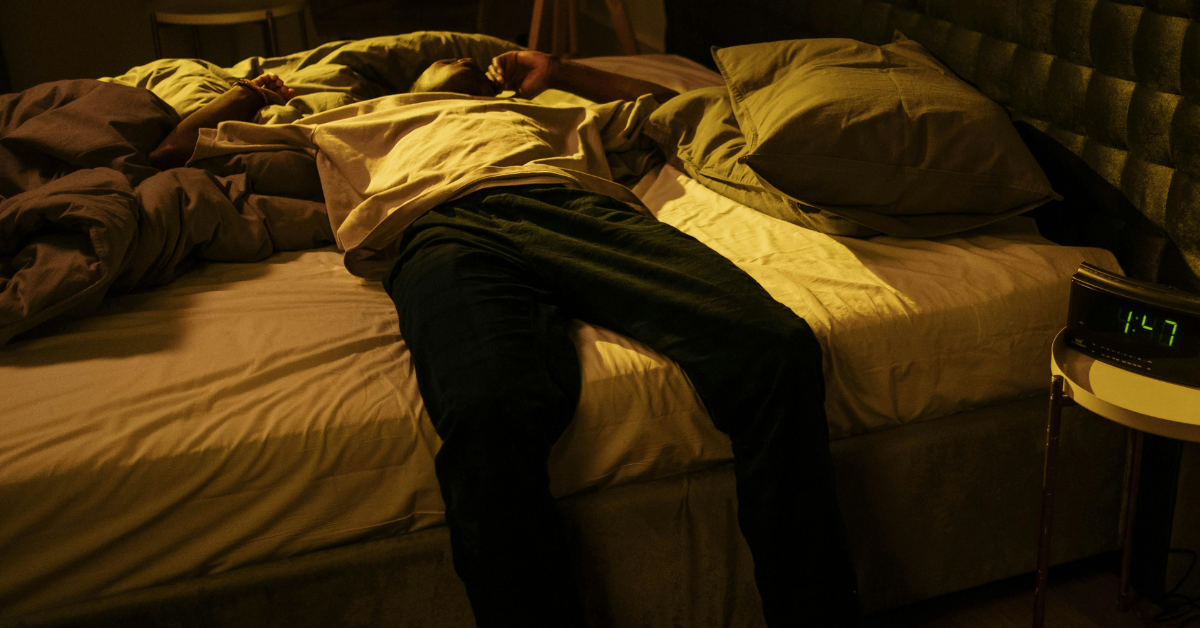

Jittery. Paranoid. Making impulsive, out-of-character decisions. These aren’t just signs of stress or a bad phase. They can be early red flags of stimulant addiction. Add in weight changes, missed responsibilities, and unpredictable mood swings, and the picture of prescription drug abuse becomes harder to ignore.
Most people think of drugs like cocaine or meth when they hear “stimulant addiction.” But, there is a reality that is often less obvious. With ADHD diagnoses on the rise in the United States, prescription medications like Adderall and Ritalin are more common than ever. When misused, they can take over a person’s mind, body, and entire life.
What once was an aid to help keep focus and treat a very real medical diagnosis becomes a crutch that does more harm than good, requiring professional intervention.
What Drugs are Stimulants?
Stimulants, or “uppers,” are substances that increase energy and alertness in a person. Simply put, they engage the nervous system and tell the brain to maintain higher levels of dopamine and norepinephrine by blocking receptors that absorb these chemicals. Users enjoy the exhilaration of the drug’s creation, amplifying positive feelings and making it so they can stay up longer.
To understand how stimulants work, your morning cup of coffee is an example. Now, caffeine is not comparable to the strength of prescription and illicit stimulants, and its function is common and is legal. But, it works the same way. Caffeine blocks adenosine receptors in the brain and doesn’t let the brain absorb the chemical that creates drowsiness. We stay awake and feel energized.
Many people begin misusing prescription stimulants without intending to. It often starts with taking a higher dose than prescribed to stay alert for work or school, or using leftover medication from a friend or family member. Over time, tolerance can build, and what started as occasional misuse can quickly spiral into dependence and addiction.
The stimulants that require professional treatment fall into two buckets: prescription medications and illicit substances.
Prescription Medications
Prescription stimulants are controlled substances prescribed to treat legitimate medical conditions. These drugs are typically used to treat Attention Deficit Hyperactivity Disorder (ADHD). Young adults are the primary users as they face societal pressures during “the college years.” Common prescriptions include:
- Adderall (amphetamine and dextroamphetamine)
- Vyvanse (lisdexamfetamine)
- Ritalin (methylphenidate)
- Concerta (methylphenidate)
Illicit Substances
Illicit substances are illegal drugs and used recreationally. Amphetamines are sometimes referred to as “party drugs” because they keep people from feeling tired. They are not regulated and pose serious health risks to users. Illicit stimulants include:
- Cocaine
- Crack cocaine
- Methamphetamine (crystal meth)
The Dangers of Stimulant Abuse
Prescription stimulant misuse can be difficult to recognize at first. It often begins with small changes, like taking an extra dose to stay focused or relying on medication to get through demanding days. Over time, however, these patterns can have serious effects on both physical and mental health.
Stimulants place the body under increased stress. Heart rate and blood pressure rise, and sleep can become disrupted. Many individuals begin to experience heightened anxiety, restlessness, or irritability. In some cases, this can progress to paranoia, mood instability, or symptoms of psychosis.
As misuse continues, the risk of dependence increases. What once felt helpful can become necessary just to function. This shift can make it difficult to stop without support. What starts as a way to keep up can gradually become overwhelming. Early intervention can make a meaningful difference in preventing more serious consequences.
Signs of Prescription Drug Abuse
Behavioral Signs of Stimulant Addiction:
- Taking higher doses than prescribed or using medication more often than directed
- Running out of prescriptions early or seeking multiple prescriptions (“doctor shopping”)
- Using medication for reasons other than prescribed (to stay awake, relax, or cope with stress)
- Secrecy, defensiveness, or lying about medication use
- Mood changes such as irritability, anxiety, or sudden mood swings
- Decline in work, school, or social performance
- Withdrawing from family, friends, or usual activities
- Neglecting responsibilities at home, work, or school
- Loss of interest in previously enjoyed activities
- Financial problems related to obtaining medication
- Mixing medication with alcohol or other substances
Physical Effects of Stimulants:
- Rapid heart rate or elevated blood pressure
- Insomnia or other sleep disturbances
- Unexplained weight loss or gain
- Frequent nausea, dizziness, or headaches
- Shaking, sweating, or other withdrawal-like symptoms when not using
- Changes in energy levels (hyperactivity or fatigue)
Why People Choose Milton Recovery Center for Prescription Drug Abuse
At Milton Recovery Centers, stimulant addiction treatment goes beyond managing symptoms. Here, we help people rebuild their lives with purpose and unwavering support. Our holistic substance abuse treatment programs provide the structure and guidance patients need to develop self-awareness, strengthen mental resilience, and regain control over both mind and body.
That process starts by addressing the root causes of addiction. We believe the most effective care begins with listening. Every patient is met with dignity, respect, and a genuine desire to understand their story. From there, we create personalized treatment plans that focus on the whole person, not just the addiction.
Our approach blends compassion with clinical excellence. Through evidence-based therapies like Motivational Interviewing (MI) and Cognitive Behavioral Therapy (CBT), patients gain insight into the patterns and behaviors that led them to treatment. With the support of our team, they learn to reframe their experiences, navigate the present, and move forward with intention.
Recovery doesn’t end when treatment does. We place a strong emphasis on helping patients successfully reintegrate into everyday life. Our team works closely with families to support healthy home environments. Case managers provide hands-on support throughout the process, answering questions, coordinating logistics, and connecting patients to local resources, so both patients and their loved ones feel supported every step of the way.
Above all, we see beyond addiction. We see potential and worth. And we believe that every person who comes through our doors is capable of lasting healing.
Our Outpatient Treatment Programs in North Palm Beach, Florida
At Milton Palm Beach Recovery, we offer two forms of outpatients treatments for stimulant addiction. Both are designed to support physical, mental, and emotional healing while allowing patients to maintain work, school, and relationships.
We offer:
- Partial Hospitalization Program (PHP): Our PHP provides a higher level of structure and support, with patients participating in treatment for 4 to 8 hours a day, up to 5 days per week. During this time, patients engage in individual counseling, group therapy, and holistic therapies that help strengthen resilience, build a sense of community, and develop healthier coping strategies. At the end of each day, patients return home or to a sober living environment.
- Intensive Outpatient Program (IOP): IOP offers greater flexibility while continuing to reinforce recovery. Patients typically attend 9 to 15 hours of programming per week, allowing them to stay actively engaged in treatment while integrating back into daily life. This level of care is ideal for those balancing recovery with work, school, or other responsibilities, providing ongoing support as they build a stable, sustainable routine.
Get Control of Prescription Drug Abuse with the Help of Milton Recovery Centers
At Milton, we see your potential, your worth, and your ability to heal. If stimulant misuse is taking over your life, or the life of someone you love, reach out today. With our guidance, evidence-based programs, and clinical support, you can take the first step toward a safer, healthier, and more purposeful future.