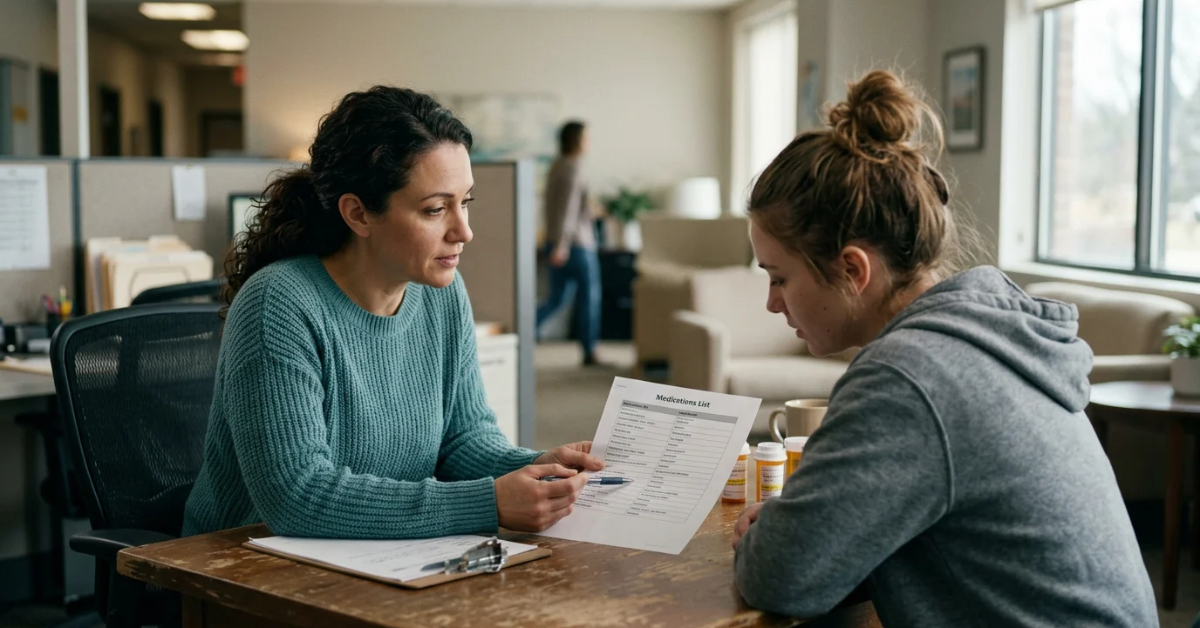

Living with bipolar disorder and addiction can feel exhausting in ways that are hard to put into words. Some days may feel like you are moving through constant emotional highs and lows, while other days may feel heavy, foggy, or draining. Over time, substance use can start to intensify mood shifts, making symptoms feel more unpredictable.
For some people, alcohol or drugs seem to help take the edge off emotional shifts. Or they simply help people get through the day. While that relief may not last long, it can slowly become part of a cycle that feels hard to end, even when the person really wants things to change.
If this sounds familiar, you are not alone. Many people find themselves in this same pattern without realizing how connected their mental health and substance use have become. You can recover with help from personalized care that addresses bipolar disorder and addiction together. With the right treatment and guidance, you can build more stability, develop healthier coping strategies, and begin moving toward a life that feels more manageable and supported.
What is Bipolar Disorder?
Bipolar disorder is a mental health condition that causes significant shifts in mood, energy, and behavior. These changes are more intense than the typical emotional ups and downs everyone experiences.
People with bipolar disorder experience episodes of depression, mania, or hypomania.
Common Symptoms of Depressive Episodes
Some common symptoms of a depressive episode include:
- Slow speech
- Intense sadness
- Fatigue or low energy
- Difficulty concentrating
- Feelings of worthlessness
- Feelings of hopelessness
- Sleeping too much or too little
- Thoughts of self-harm or suicide
- Loss of interest in hobbies and activities
Common Symptoms of Manic or Hypomanic Episodes
- Rapid speech
- Racing thoughts
- Aggressive behavior
- Excessive irritability
- Impulsive and/or reckless behavior
- Increased feelings of powerlessness or importance
- Unusually high energy levels
- Talking more than usual
- Reduced need for sleep
Types of Bipolar Disorder
The 4 main types of bipolar disorder are: bipolar type I disorder, bipolar type II disorder, cyclothymic disorder, and other specified and unspecified bipolar and related disorders.
Bipolar I Disorder
- Defined by at least 1 full manic episode lasting at least 7 days
- Mania may require hospitalization in severe cases
- Depressive symptoms also occur
Bipolar II Disorder
- Includes depressive episodes and hypomanic episodes
- Hypomania (mild mania), and no full manic episodes
Cyclothymic Disorder
- Ongoing mood swings, lasting for at least 2 years
- Periods of mild depression and hypomania
- Short periods of steady or balanced mood
Other Specified or Unspecified Bipolar Disorders
- Symptoms that do not fully match the above categories
- Still involve significant mood disruption
Why Bipolar Disorder and Substance Abuse Often Occur Together
Bipolar disorder and substance use disorders often co-occur. Some reasons this connection is so common:
- Some individuals use substances to cope with emotional highs and lows
- Impulsivity during manic episodes can increase risky substance use
- Alcohol or drugs may temporarily mask emotional distress
- Shared genetic and brain-related factors may increase vulnerability
Researchers do not yet fully understand why people with bipolar disorder are more likely to develop addiction. However, studies suggest that genetics and differences in brain function may play a role.
Over time, substance use can worsen mood symptoms. It can make bipolar disorder harder to manage. It can also increase the cycle of instability.
The connection between bipolar disorder and substance abuse is common, and without treating both conditions, each can make the other more difficult to manage.
Signs You May Need Help for Bipolar Disorder and Addiction
It is not always easy to recognize when professional support is necessary. Bipolar disorder and substance use can slowly disrupt daily life in ways that seem easy to miss at first.
You may need professional treatment if you are:
- Using substances to manage mood swings or emotional distress
- Having difficulty reducing or controlling substance use
- Experiencing frequent or worsening mood episodes
- Having trouble keeping up with work, school, or responsibilities
- Withdrawing from relationships or activities
- Engaging in impulsive or risky behavior
- Feeling overwhelmed trying to manage symptoms alone
Seeking treatment early can help prevent both conditions from becoming more severe. Through dual diagnosis treatment, people can receive support for both bipolar disorder and substance abuse at the same time. This helps provide the best opportunity for long-term recovery and stability.
What Is Dual Diagnosis Treatment?
Dual diagnosis treatment is an approach that helps people experiencing both a mental health condition and a substance use disorder at the same time.
Instead of treating each condition separately, dual diagnosis care addresses both together because mental health and substance use often influence one another. When one condition goes untreated, it can make progress in the other much more difficult.
Rather than focusing only on symptoms, dual diagnosis treatment looks at the whole person. It helps individuals better understand the factors contributing to both conditions while building practical tools for managing symptoms, improving emotional well-being, and supporting long-term recovery.
At its core, dual diagnosis treatment focuses on:
- Stabilizing mental health symptoms
- Treating substance use safely
- Identifying underlying causes
- Building long-term coping strategies
Treating both conditions together gives people the opportunity to build a stronger foundation for recovery and improve their overall quality of life.
What to Expect in Dual Diagnosis Treatment
Dual diagnosis treatment addresses both your mental and physical health needs, recognizing that recovery looks different for every person. Your treatment plan should reflect your unique experiences, symptoms, and goals.
Treatment for co-occurring bipolar disorder and substance abuse may include:
- Medical detox (if needed): A supervised process to help the body safely withdraw from substances
- Medication management: Support for stabilizing mood symptoms and reducing relapse risk
- Individual therapy: One-on-one sessions to explore triggers, patterns, and coping strategies
- Group therapy: Support from others who understand the challenges of recovery
- Cognitive behavioral therapy (CBT): Tools to manage thought patterns and behaviors tied to mood and substance use
- Psychoeducation: Learning how bipolar disorder and addiction affect one another.
- Relapse prevention planning: Practical strategies for maintaining progress after treatment
- Outpatient care (PHP or IOP): Structured support while continuing to live at home
At Milton Recovery Centers, we meet people where they are. Our team takes the time to understand each person’s experiences before creating a personalized treatment plan. By addressing both bipolar disorder and substance use together, we help people build healthier coping skills, strengthen emotional well-being, and work toward recovery.
Building Stability Through Personalized Care
Living with bipolar disorder and substance abuse can feel overwhelming. But recovery is possible with the right support system. Dual diagnosis treatment provides a structured, compassionate approach to help individuals rebuild their lives.
At Milton Recovery Centers, we understand that recovery involves more than treating symptoms. It means creating a safe, supportive environment where people can address both bipolar disorder and substance use while developing the skills needed to navigate everyday life.
Our Florida rehab center provides integrated outpatient care that is personalized, compassionate, and focused on the whole person. Whether you are taking the first step toward treatment or returning to care after a setback, our team is here to support you with a plan tailored to your needs.
If you or someone you love is struggling with bipolar disorder and addiction, speak with our team today. Together, we can help you begin building a healthier, more stable future.
FAQs About Bipolar Disorder and Addiction
Can bipolar disorder lead to addiction?
Bipolar disorder does not directly cause addiction, but it can increase the risk of developing a substance use disorder. Some people turn to alcohol or drugs to cope with depressive episodes, manic symptoms, or emotional distress, which can lead to dependence over time.
Can you treat bipolar disorder and addiction together?
Yes, treating bipolar disorder and addiction at the same time through dual diagnosis treatment is considered the most effective approach. Addressing both conditions together can improve mental health, reduce the risk of relapse, and support long-term recovery.
Is outpatient treatment effective for dual diagnosis?
Yes, many people benefit from structured outpatient programs like partial hospitalization programs (PHPs) and intensive outpatient programs (IOPs). These programs provide therapy, medication management, and ongoing support while allowing individuals to return home after treatment each day.
How do I know if I have bipolar disorder and addiction?
If you experience symptoms of bipolar disorder and regularly use alcohol or drugs to cope with them, it may be time to seek a professional evaluation. A mental health provider can determine whether you have a dual diagnosis and recommend the most appropriate treatment.
What medications are used to treat bipolar disorder in rehab?
Bipolar disorder treatment plans vary from person to person. Depending on your symptoms, a provider may prescribe mood stabilizers, antipsychotic medications, or other medications to help manage bipolar disorder while you receive addiction treatment. Your care team will monitor your progress and adjust medications as needed.
Can bipolar disorder be managed without medication?
Some people benefit from therapy, healthy lifestyle changes, and ongoing support, but medication is often an important part of managing bipolar disorder. Your treatment team can help create a treatment plan that is safe and effective for your individual needs.